
Electrolyte powders are moving beyond traditional sports nutrition. Brands are developing hydration products for gym users, endurance consumers, active women, travelers, outdoor lifestyles and everyday wellness routines.
A successful private label electrolyte powder is not created by placing sodium, potassium and magnesium into a flavored sachet. It must be designed around a specific consumer, hydration occasion, serving structure, sensory target and commercial channel. This guide explains the decisions a supplement brand should make before requesting samples or quotations.
1. Start With the Hydration Occasion
The first question is not “Which ingredients should we add?” It is “When and why will the consumer use this product?”
- Daily hydration: a lighter mineral profile for work, travel and everyday activity.
- Active hydration: a more defined electrolyte profile for gym sessions, running and outdoor exercise.
- High-sweat or endurance hydration: a higher-sodium direction for longer or more intensive activity occasions.
These use cases should not automatically share the same formula. Define the consumer and occasion before confirming the mineral profile.
2. Build the Electrolyte Architecture
Most electrolyte powder discussions begin with sodium, potassium and magnesium. The amount of each mineral matters, but so does its source. Sodium may be provided through sodium citrate, sodium chloride or a combination. Potassium and magnesium also have multiple ingredient-form options. Each choice affects elemental contribution, taste, solubility, serving size and cost.
A responsible development brief should define:
- the target amount of each electrolyte per serving;
- the ingredient source used to deliver it;
- the intended serving size and water volume;
- the acceptable taste and aftertaste;
- the required specifications and testing plan.
Final mineral sources and serving levels should be confirmed during formulation and manufacturing review rather than copied from a competitor label.
3. Decide Whether the Product Is Sugar-Free
Sugar-free electrolyte powders can fit daily wellness, fitness and low-calorie positioning. They also create a sensory challenge: without sugar, mineral saltiness, acidity and sweetener aftertaste may become more noticeable.
Brands should compare sweetener systems such as stevia, monk fruit or blended approaches, then evaluate sweetness onset and finish, bitterness, acid balance, salt perception, flavor stability and target-market requirements. Low-sugar or carbohydrate-containing versions may be considered for specific sports applications, but this should be a deliberate positioning decision.
4. Select Flavors for Commercial Validation
Launching nine flavors multiplies sampling, sensory review, stability work, artwork and inventory complexity. A lower-risk pathway is to begin with three broadly recognized flavors—such as lemon lime, blueberry and watermelon—then expand after initial buyer or consumer validation.
Each flavor requires its own review. The same electrolyte base can taste very different with citrus, berry or tropical systems. A flavor change is not complete until the brand has reviewed solubility, acidity, sweetness, mineral masking and storage stability.
5. Choose the Right Format and Packaging
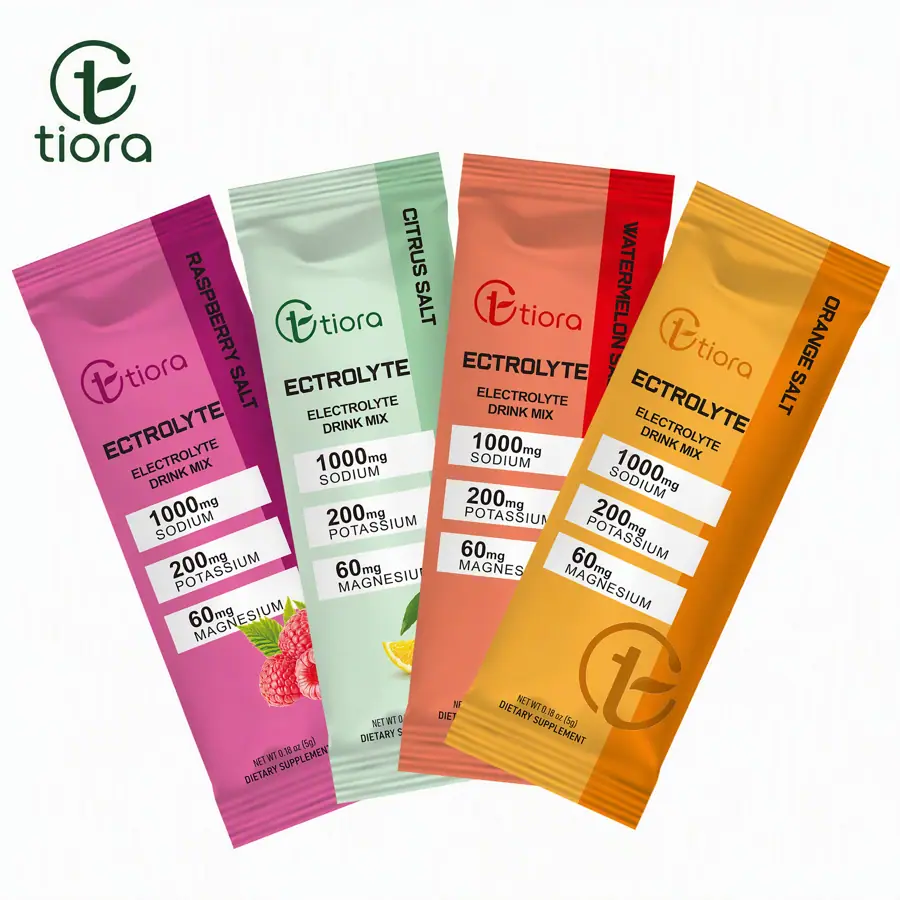
Stick packs and sachets are a strong starting format because they support portability, portion control, sampling and variety packs. Tubs or pouches may better fit frequent-use consumers and sports channels.
Key packaging decisions include:
- serving weight and water volume;
- number of servings per box or container;
- single-flavor or variety-pack architecture;
- moisture and oxygen protection;
- tamper evidence and lot coding;
- label space for directions, warnings and required information.
Packaging should be evaluated as part of formulation development because powder flow, hygroscopicity, serving weight and shelf-life expectations affect the final pack.
6. Test More Than Taste
Before commercial approval, brands should review a broader validation package:
- product specification and raw-material specifications;
- raw-material and finished-product certificates of analysis;
- microbiological and heavy-metal requirements;
- mineral identity and content verification where applicable;
- solubility, appearance, stability and shelf-life plan;
- packaging compatibility;
- manufacturing and certification scope for the selected project.
Certification logos or manufacturing capabilities should never be assumed to apply to every product. The relevant entity, facility, product and certification scope must be checked for the specific project.
7. Prepare the Supplier Brief Before Asking for a Quote
A supplier cannot provide a reliable commercial quotation from the words “electrolyte powder” alone. The request should include:
- target market and consumer;
- use occasion and positioning;
- target electrolyte profile;
- sugar-free or low-sugar direction;
- preferred flavors;
- stick pack, tub or pouch format;
- servings and packaging structure;
- documentation and testing expectations;
- sample requirements;
- expected launch channel and timing.
MOQ, sample cost, unit price, lead time and certification applicability remain project-specific until the formula, packaging and manufacturing route have been reviewed in writing.
8. A Practical Development Path
- Define the consumer and hydration occasion.
- Select a preliminary electrolyte strength and ingredient-source direction.
- Develop three priority flavors before expanding the range.
- Compare samples for taste, solubility and serving experience.
- Review specifications, testing and documentation.
- Confirm packaging, MOQ, quotation and lead time for the selected manufacturing solution.
This approach gives buyers a clear decision at each stage and reduces the risk of requesting a quotation before the product itself has been properly defined. Explore the TIORA private label electrolyte powder development platform, our product portfolio, dosage forms and product development process.
Frequently Asked Questions
What sodium level should an electrolyte powder contain?
There is no universal sodium level for every hydration product. The appropriate direction depends on the target consumer, activity duration, sweat occasion, serving size and positioning. Daily-hydration and high-sweat products may require different profiles. Final levels must be reviewed during formulation and label development.
Can electrolyte powder be sugar-free?
Yes. Sugar-free options can be developed, subject to sweetener selection, taste masking, stability and target-market requirements.
Can we develop nine flavors?
Nine flavors can be evaluated, but a staged launch is usually more efficient. Many brands begin with three priority flavors and expand after initial market validation.
Are stick packs suitable for electrolyte powder?
Stick packs are well suited to single-serving hydration products, sampling and variety packs. Final fill weight, film structure, moisture protection and commercial feasibility must be confirmed with the selected packaging and manufacturing partners.
What documents should buyers request?
Buyers should review product and raw-material specifications, applicable certificates of analysis, testing scope, allergen information, stability support, packaging specifications and relevant manufacturing or certification documents for the selected project.
Are MOQ and lead time fixed?
No. MOQ, price, sample timing and production lead time depend on the formula, flavor count, pack format, packaging components, testing and manufacturing solution. These items should be confirmed in writing before commitment.
Discuss Your Electrolyte Powder Project
Planning a private label electrolyte powder, hydration stick pack or multi-flavor product line? Share your target market, consumer, preferred electrolyte direction, flavors, packaging format and project stage. TIORA will structure the development brief and identify the formulation, manufacturing and documentation questions to resolve before sampling and commercial review.
Leave a Reply