
Develop a private label electrolyte powder around a defined consumer, hydration occasion, flavor system and packaging format—not a generic ingredient list. TIORA helps supplement, sports nutrition and wellness brands structure the formulation brief, sampling plan, supplier validation and quality-document review before commercial commitment.
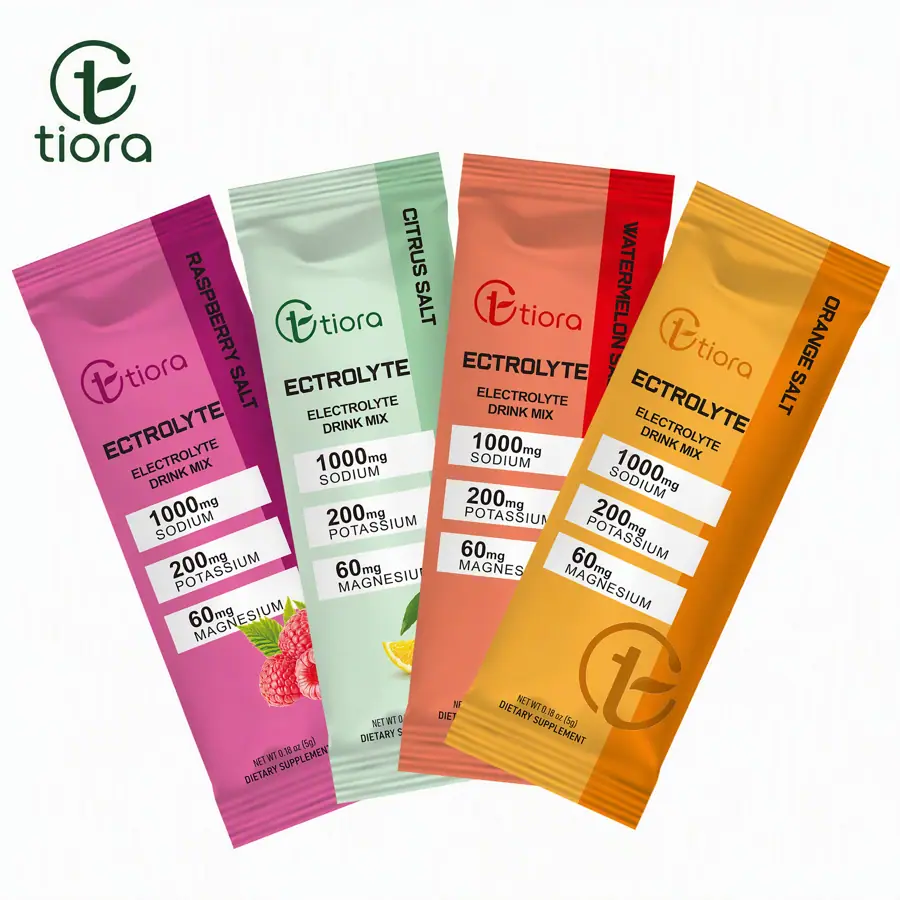
Electrolyte powder development platform
The platform is designed for daily hydration, active lifestyles and higher-sweat occasions. Formula directions below are development ranges only. Final ingredients, elemental contribution, serving size, sensory performance and label suitability require formulation, manufacturing and compliance review for the selected market.
| Development direction | Use occasion | Sodium direction | Potassium direction | Magnesium direction | Sugar |
|---|---|---|---|---|---|
| Daily Hydration | Work, travel and light activity | 300–400 mg | 150–200 mg | 40–60 mg | 0 g |
| Active Hydration | Gym, running and outdoor activity | 500–600 mg | 180–200 mg | 50–60 mg | 0 g |
| High-Sweat / Endurance | Longer or higher-sweat activity | 700–750 mg | 200 mg | 60 mg | 0–3 g |
Recommended starting point: evaluate Active Hydration as the lead commercial direction, while retaining the 700–750 mg sodium concept for a clearly defined high-sweat product rather than positioning it as a universal daily formula.
Formula architecture
- Core electrolytes: sodium, potassium and magnesium sources selected for elemental contribution, taste, solubility and serving size.
- Optional support ingredients: vitamin C, selected B vitamins, taurine or coconut water powder when they serve a clear positioning purpose and pass project review.
- Sugar-free direction: stevia, monk fruit or blended sweetener systems, tested for sweetness, bitterness, mineral aftertaste and stability.
- Flavor system: acid balance, salt perception, solubility, sediment and storage stability evaluated for each flavor.
Priority flavors
A lower-risk launch path begins with three broadly recognizable flavors: Lemon Lime, Blueberry and Watermelon. Additional directions can include Strawberry Kiwi, Orange Mango, Mixed Berry, Peach Mango, Pineapple Coconut and Grape after initial validation. Every flavor needs its own sensory, solubility and stability review.
Formats and packaging
- Stick packs or sachets: the priority format for portability, portion control, sampling and variety packs.
- Retail boxes: 10-count trial boxes and 20–30-count core retail formats.
- Tubs or pouches: extensions for frequent-use and sports-channel consumers.
- Variety packs: three- or five-flavor structures for controlled market testing.
Final fill weight, film structure, moisture protection, label space, packaging compatibility and shelf-life support remain project-specific.
Sample validation
An efficient first round can compare three electrolyte-strength directions across three priority flavors. Review should cover taste, acid and salt balance, aftertaste, cold- and room-temperature dispersion, appearance, sediment, mineral-source calculation, moisture, caking, packaging compatibility, specifications and the proposed testing plan.
Supplier and quality evidence
Before a sample or quotation is approved, the selected manufacturing partner should provide written confirmation covering:
- mineral sources and elemental calculations;
- technical feasibility for the selected electrolyte profile;
- flavor and sugar-free system capabilities;
- serving weight, pack formats and packaging options;
- product specifications, raw-material documentation and certificates of analysis;
- finished-product testing, stability and shelf-life support;
- applicable manufacturing and certification scope;
- sample terms, MOQ, pricing, lead time and payment terms.
Important: MOQ, pricing, sample timing, lead time, testing and certification applicability are unknown until confirmed in writing for the specific formula, packaging route and manufacturing solution.
A controlled development path
- Define the consumer and hydration occasion.
- Select the preliminary electrolyte strength and ingredient-source direction.
- Develop and compare priority flavors.
- Review taste, solubility and serving experience.
- Verify specifications, quality documents and testing.
- Confirm packaging, commercial terms and production timing.
For the detailed buyer decision framework, read How to Develop a Private Label Electrolyte Powder. You can also review TIORA’s product portfolio, dosage forms and product development process.
Discuss Your Electrolyte Powder Project
Still comparing your first product? Read our electrolyte brand launch guide and daily vs sports hydration brand guide.
Start with three quick fields: your buyer type, what you want to develop and your email. No finished formula or detailed company profile is needed to begin. We can clarify flavors, packaging and project requirements in the follow-up conversation.