For private label brands, choosing between creatine gummies and creatine powder is not simply a format decision. It affects serving design, sensory development, packaging, testing strategy, cost structure and how quickly a project can move from concept to sample.
If you are building a women’s wellness, sports nutrition or active-lifestyle product, the right starting point is to define the commercial brief first: target consumer, intended use occasion, serving concept, channel, packaging and quality-document requirements.
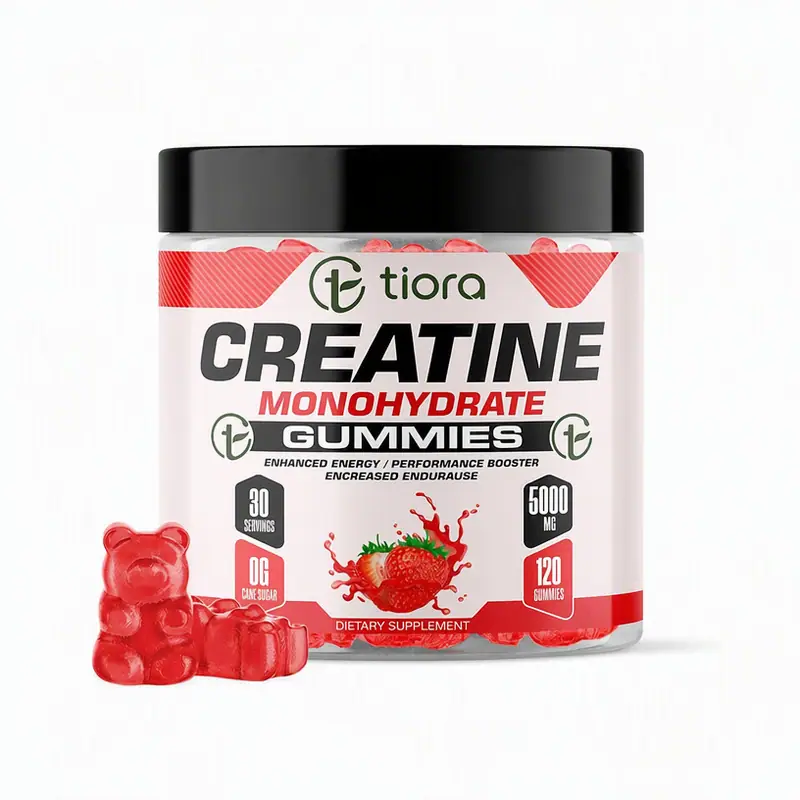
Quick comparison: creatine gummies vs powder
| Decision Factor | Creatine Gummies | Creatine Powder |
|---|---|---|
| Consumer experience | Chewable, portable, flavor-led | Simple daily scoop or sachet routine |
| Serving architecture | Must balance ingredient load with gummy count, texture and size | Generally easier to design around a defined creatine serving |
| Sensory work | Flavor masking, sweetness, texture and matrix stability matter | Unflavored or flavored options; solubility and taste remain key |
| Packaging | Bottles and count-per-serving strongly affect the proposition | Tubs, pouches and stick-pack pathways are common options |
| Testing focus | Finished-product potency and stability deserve close attention | Identity, purity, potency and finished-product specifications still apply |
| Best fit | Convenience-led, differentiated consumer formats | Performance-led, dose-forward and value-oriented positioning |
1. Start with the serving architecture, not the format
A common mistake is deciding “we want gummies” before defining how much creatine the finished serving is intended to deliver. Gummies have physical limits: ingredient loading affects piece size, texture, flavor, sweetness and the number of gummies required per serving.
For a powder project, the serving architecture is usually more straightforward because the product does not need to fit the same active load into a confectionery matrix. That can make powder a practical first route for brands that want a clear, simple creatine proposition.
For gummy projects, TIORA recommends defining the target serving concept before sample development. The manufacturing solution can then be evaluated against realistic gummy count, sensory and stability requirements.
Explore the two product pathways: Private Label Creatine Gummies and Private Label Creatine Powder.
2. Gummies require a stronger sensory and stability review
Creatine gummies are attractive because they create a more consumer-friendly experience, but they also introduce more formulation variables. The gummy matrix, acidity, moisture, processing conditions, flavor system and storage environment can all matter to finished-product performance.
For a B2B buyer, this means the sample review should not stop at “does it taste good?” The commercial review should also ask whether the finished product can consistently meet its intended specifications through the expected shelf-life period.
In the United States, dietary supplement manufacturing is subject to current good manufacturing practice requirements under 21 CFR Part 111. FDA guidance emphasizes establishing specifications and using appropriate tests or examinations to verify that the finished product meets applicable requirements. See the FDA dietary supplement CGMP guidance.
3. Powder is usually the simpler first development route
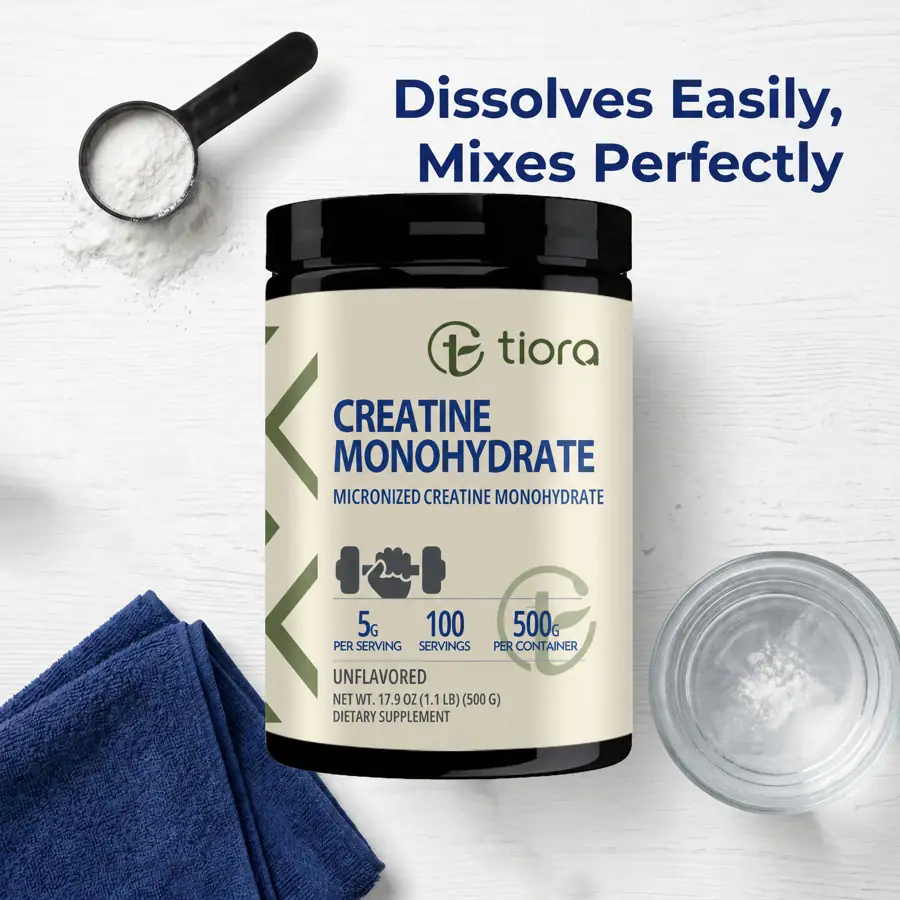
Powder gives brands several practical advantages during early product development. It can support a straightforward creatine-first proposition, can be offered flavored or unflavored, and can be reviewed across tubs, pouches and future stick-pack formats.
This does not mean powder is automatically the right answer for every brand. A DTC women’s wellness brand may value convenience, flavor and a less “sports supplement” visual identity. A performance brand may prioritize serving clarity and cost structure. The format should follow the buyer proposition.
TIORA’s Women’s Creatine development page presents both powder and gummy pathways rather than forcing one format across every project.
4. Packaging changes the economics and the buyer experience
Packaging is part of product architecture, not an afterthought.
- Gummies: bottle size, pieces per serving, total count, desiccation or moisture-management needs, and label space can materially affect the final concept.
- Powder: tub or pouch size, scoop format, serving count, flavor system and shipping weight can affect the commercial model.
- Stick packs: can create a travel-friendly premium format, but filling weight, pack material and secondary packaging should be validated before pricing.
For a broader format review, see TIORA’s Supplement Dosage Forms page.
5. What should a private label buyer ask before requesting samples?
Before moving to sample development, a buyer should be able to answer or discuss the following:
- Who is the target consumer?
- Is the product positioned around women’s wellness, sports nutrition or broader daily wellness?
- What serving concept is required?
- Is the priority convenience, dose simplicity, flavor, value or differentiation?
- Which target market will the product be sold in?
- What packaging format is preferred?
- Which quality documents or certification scope must be reviewed?
- What finished-product testing is expected?
- What claims are being considered, and do they require regulatory review?
These questions are more useful than asking only for MOQ and unit price at the first stage. Formula feasibility, packaging, testing and documentation can change the commercial answer.
6. Quality documentation should be project specific
For both creatine gummies and powder, quality review should be tied to the actual manufacturing solution and finished product. Applicable specifications, COA, testing scope and certification documentation should be reviewed before final commercial commitment.
TIORA does not treat every certificate or manufacturing document as automatically applicable to every SKU. See the Quality & Compliance page for the current evidence framework.
Which format should your brand develop?
Creatine powder is often a strong starting point when the priority is a straightforward creatine proposition, serving clarity and flexible packaging.
Creatine gummies can be a strong differentiation route when the brand values consumer convenience, sensory experience and a more lifestyle-oriented format — provided serving architecture, manufacturing feasibility and finished-product verification are addressed early.
The commercial decision should come from the target consumer and product brief, not from format trend alone.
Next step: build the brief before the sample
If you are developing a creatine product for the US, UK, EU, Canada, Australia or another target market, send TIORA your target consumer, preferred format, reference product, serving direction and packaging idea. We can use that information to structure the next formulation and manufacturing questions.
Start a TIORA Project Inquiry →
Commercial terms, formula, testing, claims direction, certification applicability, MOQ and lead time are confirmed project by project. This article is intended for B2B product-development planning and is not medical advice.